Butt Fusion Machine Selection Guide: Choose by Pipe OD, SDR, Pressure and Project Type
- Share
- publisher
- Riyang
- Issue Time
- Sep 23,2026
Summary
Choose the right butt fusion machine by pipe OD, SDR, fusion standard, pressure system, automation level and jobsite conditions. A practical HDPE buyer guide covering clamping range, fusion force, welding standards and traceability.
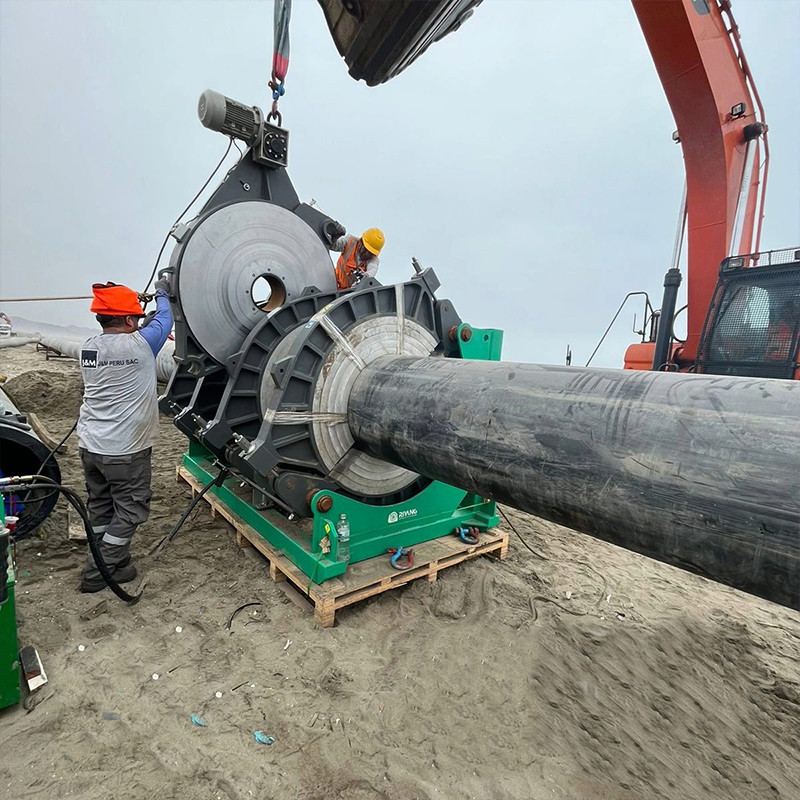
Choosing a butt fusion machine should begin with the pipe, not the model number. A machine is only useful when its clamping range, available fusion force, heater capacity and control method match the pipe and the welding procedure the project requires. Start from five inputs: pipe outside diameter, SDR or wall thickness, material, welding standard and site conditions. Start with the smallest and largest outside diameter that will actually be fused. Do not select only for the first contract if the machine will serve a fleet for several years. A frame that covers future pipe sizes can reduce later capital purchases, but an unnecessarily large machine adds weight, power demand and handling time. Check the main frame range, reduction inserts and whether fittings or short spools require a special clamp arrangement. Two pipes with the same OD can have very different wall thicknesses. SDR therefore affects the pipe cross-sectional area, heating time and the force required at the interface. The machine must be able to generate and control the required force for the specified procedure. For hydraulic machines, the manufacturer should provide the effective piston area needed to convert required interfacial force into gauge pressure. Drag pressure must then be considered at the jobsite. Projects may specify ISO 21307, DVS 2207, ASTM F2620, WIS 4-32-08 or another approved procedure. The important point is not to assume that one pressure and time table applies everywhere. Confirm the project specification, pipe manufacturer requirements and local rules before welding. For automatic equipment, check whether the control system supports the required procedure and whether parameters can be recorded for the project file. Manual machines can be practical for smaller pipe and mobile work where simplicity matters. Hydraulic machines provide controlled carriage movement and pressure and are common across a broad range of infrastructure work. CNC or automatic systems can guide or control the welding cycle, reduce dependence on manual timing and create weld records. The right choice depends on pipe size, joint volume, operator skill, audit requirements and the cost of a rejected weld, not simply on the purchase price. Fusion procedures differ in interfacial pressure and cycle design. If a project specifies a high-pressure procedure, the machine frame, hydraulic system and control logic must be suitable for that requirement. RIYANG positions its ARMOR range for high-pressure fusion and demanding field work, while the V and V-CNC20 ranges cover conventional hydraulic and automated applications. Always match the exact model to the required pipe size and standard. A machine that looks suitable on a specification of butt fusion machine clamping range and pipe OD can become inefficient in a trench, mine or remote pipeline spread. Consider frame weight, removable components, lifting points, pipe loading, heater and facer handling, hose routing, generator capacity, ambient temperature, dust, mud and transport between joints. For large-diameter work, pipe rollers and alignment equipment are part of the fusion system because they influence drag pressure and productivity. For utility, gas, mining and government projects, the weld record can be almost as important as the weld itself. Ask whether the machine records operator, project, pipe, standard, time, pressure and temperature data, and how the record is exported. Built-in data logging can support welding reports and project audits. Remote diagnostics can also reduce downtime when equipment is working far from a service center. Before requesting a quotation, prepare: OD range; SDR range; pipe material; applicable fusion standard; expected joints per shift; field or workshop use; ambient conditions; available power; mobility requirement; data-recording requirement; and destination country. Supplying these details allows a manufacturer to recommend a configuration rather than simply quote the nearest nominal size. RIYANG manufactures butt fusion equipment for thermoplastic pipe work across small, medium and large diameters. The V Series is aimed at conventional onsite and workshop fusion, V-CNC20 adds automatic control and weld data functions, and ARMOR addresses high-pressure and demanding field applications. The most suitable model should be selected from the project inputs above rather than from a single headline specification. Explore the Butt Fusion Machine category and the RIYANG Selection Guide for Butt Fusion Machines for model details. Choose a machine whose clamping range covers the pipe OD and whose available fusion force supports the required SDR and welding procedure. Also consider inserts, site handling and future pipe sizes. Yes. SDR determines wall thickness for a given OD and therefore affects the pipe interfacial area, heating cycle and required fusion force. No. Automatic control is valuable for repeatability and traceability, but a simpler hydraulic or manual machine can be more practical for some small-diameter or low-volume jobs. Send RIYANG your pipe OD range, SDR, project standard, power supply and jobsite conditions for a machine configuration recommendation. Contact us through the RIYANG Support FAQ.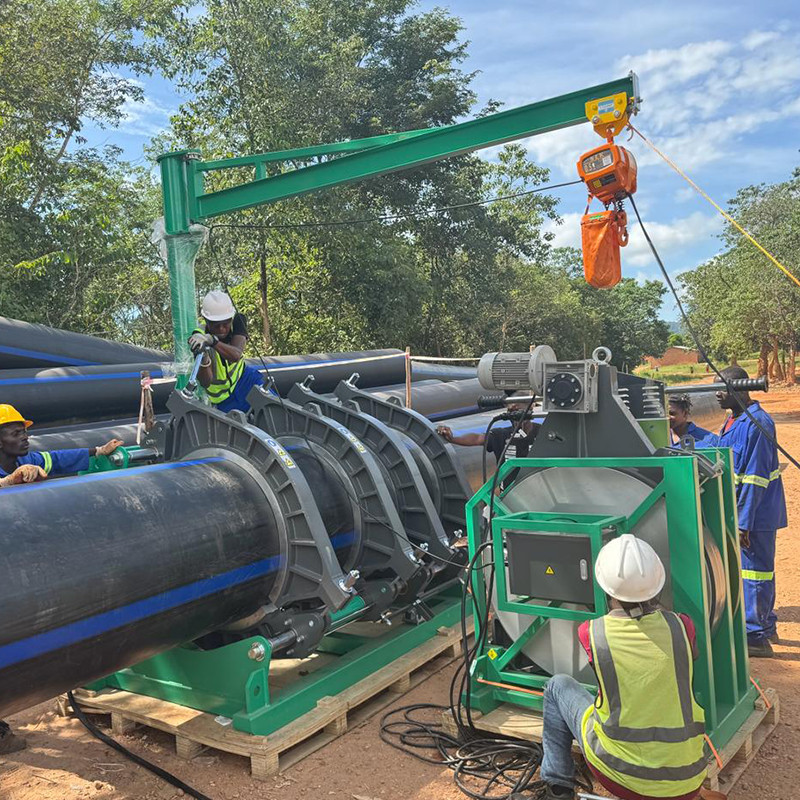
1. Define the real pipe OD range
2. Use SDR to understand wall thickness and fusion demand
3. Confirm the welding standard before comparing machines
4. Manual, hydraulic or CNC automatic?
5. Low-pressure and high-pressure project requirements
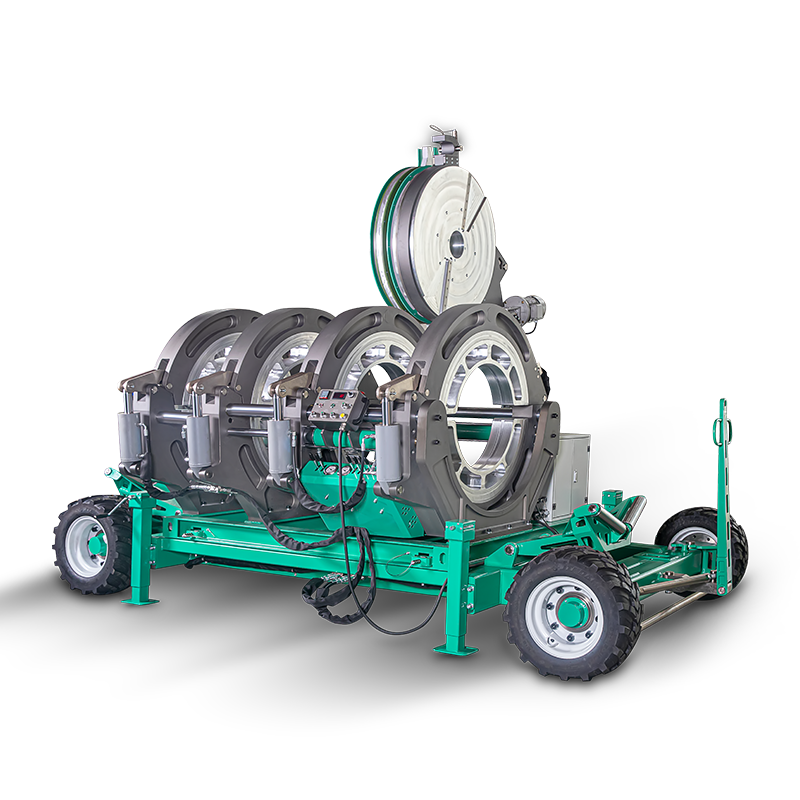
6. Evaluate the jobsite, not just the workshop
7. Decide how much traceability the project needs
A practical buyer checklist
Where RIYANG fits
FAQ
What size butt fusion machine do I need?
Does SDR affect machine selection?
Is an automatic butt fusion machine always better?
Get a machine configuration recommendation