HDPE Fusion Machine Calibration Guide: Heater, Pressure and Data Logger
- Share
- publisher
- Riyang
- Issue Time
- Nov 20,2026
Summary
Calibration connects the values an HDPE fusion machine displays to the real physical conditions of the weld. This practical guide covers heater temperature verification, hydraulic pressure and gauge checks, timer and sequence logic, data logger accuracy, record keeping and how to protect calibration between services.
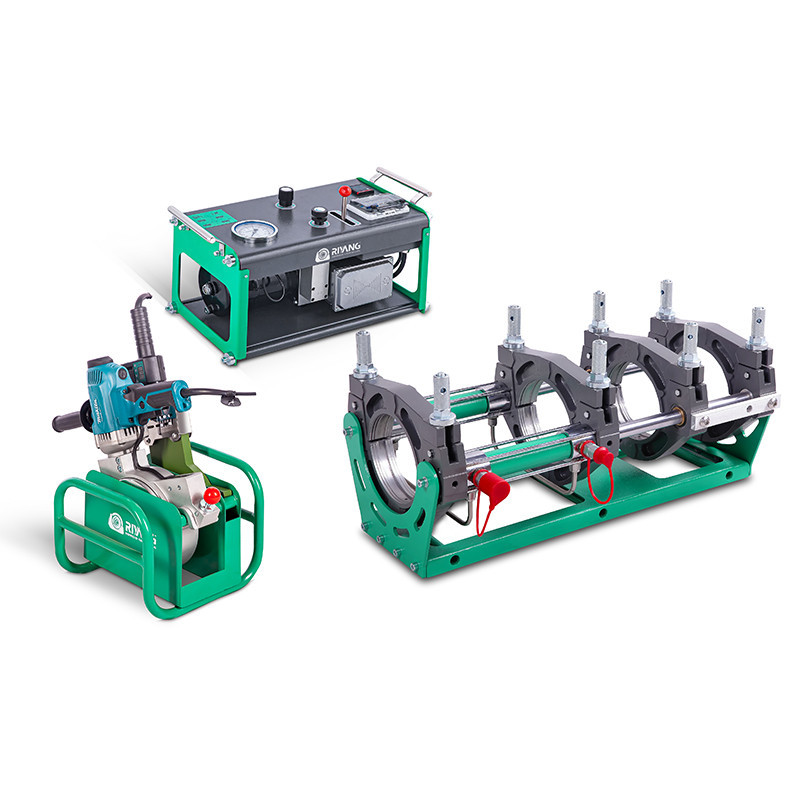
A butt fusion machine can look mechanically sound while a drifting temperature sensor or pressure gauge changes the actual welding conditions. Calibration and verification connect the displayed values to real physical values. The required interval and method should follow the project QA plan, manufacturer instructions and applicable regulations — not a universal calendar rule.
Heater temperature verification
The controller measures temperature at a sensor location, while fusion occurs across the plate surface. Verification should therefore confirm that the working surface is within the required range and sufficiently uniform. Use the method and instrument specified by the manufacturer or project, and allow the heater to stabilize before checking.
Pressure gauge and transducer verification
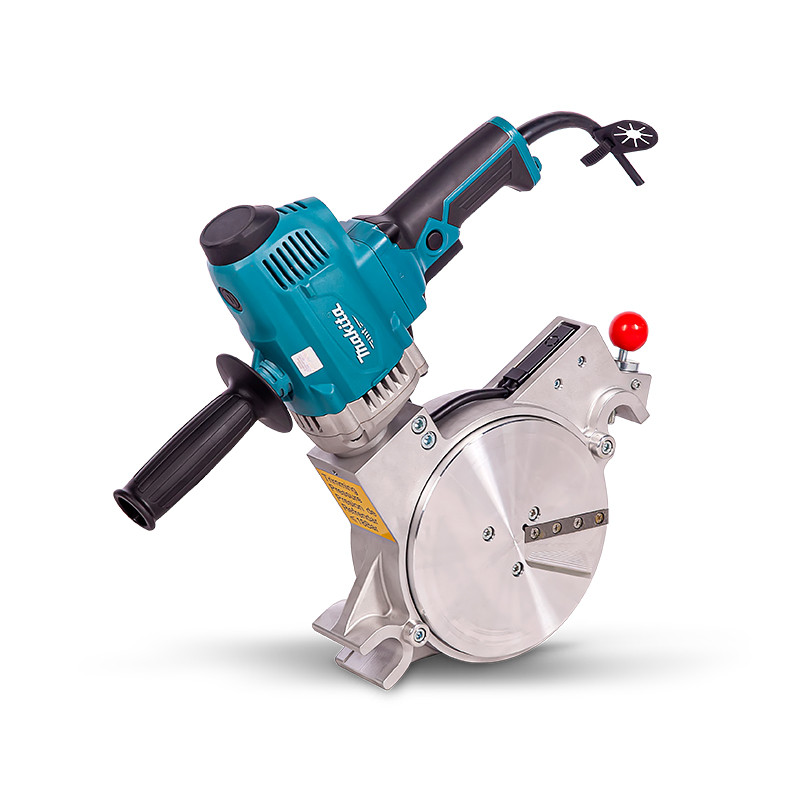
Hydraulic pressure determines carriage force through the machine's effective piston area. An inaccurate gauge or transducer can therefore create the wrong interface force even when the operator follows the welding table. Check zero, response and accuracy over the working range using appropriate calibrated equipment.

Timer, sequence and data logger checks
Timer and sequence checks
Where the control system manages heating, changeover, pressure ramp or cooling time, confirm that timers and sequence logic operate correctly. Software version and selected welding standard should also be documented on automatic machines.
Data logger verification
A data logger should capture the fields the project expects and associate them with the correct joint. Test operator login, project identification, date/time, pipe data, selected standard, pressure/temperature record and export function. A perfect sensor is of little value if records are assigned to the wrong joint.

Field verification versus formal calibration
A daily field check can identify obvious drift or damage, but it may not replace formal calibration required by a quality system. Define which checks operators perform before welding and which checks require qualified service personnel or calibrated reference equipment.
What to record
- Machine identification and instrument identification
- Calibration date and reference equipment
- Results, adjustments and the technician involved
- Next action required by the QA system
If a device is found outside tolerance, the project may also need to assess joints made since the last known acceptable check.
Protect calibration between services
Transport damage, moisture, impact and unstable power can affect sensors and controls. Store gauges and temperature instruments carefully, protect heater surfaces and inspect connectors. Do not treat a calibration certificate as proof that equipment cannot be damaged the next day.

Automatic machines still need verification
Automation improves repeatability only when its sensors are trustworthy. CNC systems should make calibration status and fault reporting easier to manage, but they do not eliminate the need for periodic verification and documented maintenance.
FAQ
How often should a butt fusion machine be calibrated?
There is no single interval for every project. Follow the machine manufacturer, project QA plan and applicable requirements, and verify equipment after damage or suspicious readings.
Is checking the heater controller display enough?
No. The display reflects a sensor reading; the fusion surface should be verified using the approved method.
Does a CNC fusion machine need calibration?
Yes. Automatic control still depends on pressure, temperature and timing measurements that must remain accurate.
Summary
Calibration connects the values a fusion machine displays to the physical conditions of the weld. Verify heater surface temperature, hydraulic pressure and the data logger as one system, keep auditable records, and protect instruments between services. For further guidance, review the butt fusion machine range and the machine selection guide, or check the support FAQ.
To arrange the applicable service and calibration information for your equipment, contact RIYANG with your machine model and serial number.