HDPE Pipe Jointing Machine: Step-by-Step Butt Fusion from Setup to Cooling
- Share
- publisher
- Riyang
- Issue Time
- Oct 20,2026
Summary
Learn the complete HDPE butt fusion sequence step by step: setup and clamping, facing, drag pressure, heating, changeover, fusion pressure, cooling and weld records. A practical guide for pipeline crews using an HDPE pipe jointing machine on site.
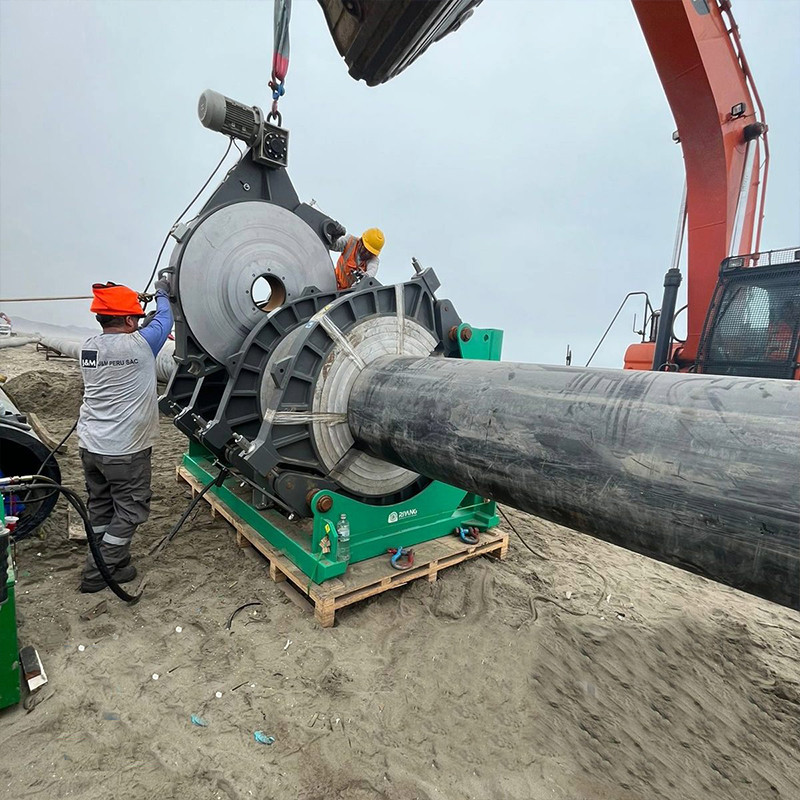
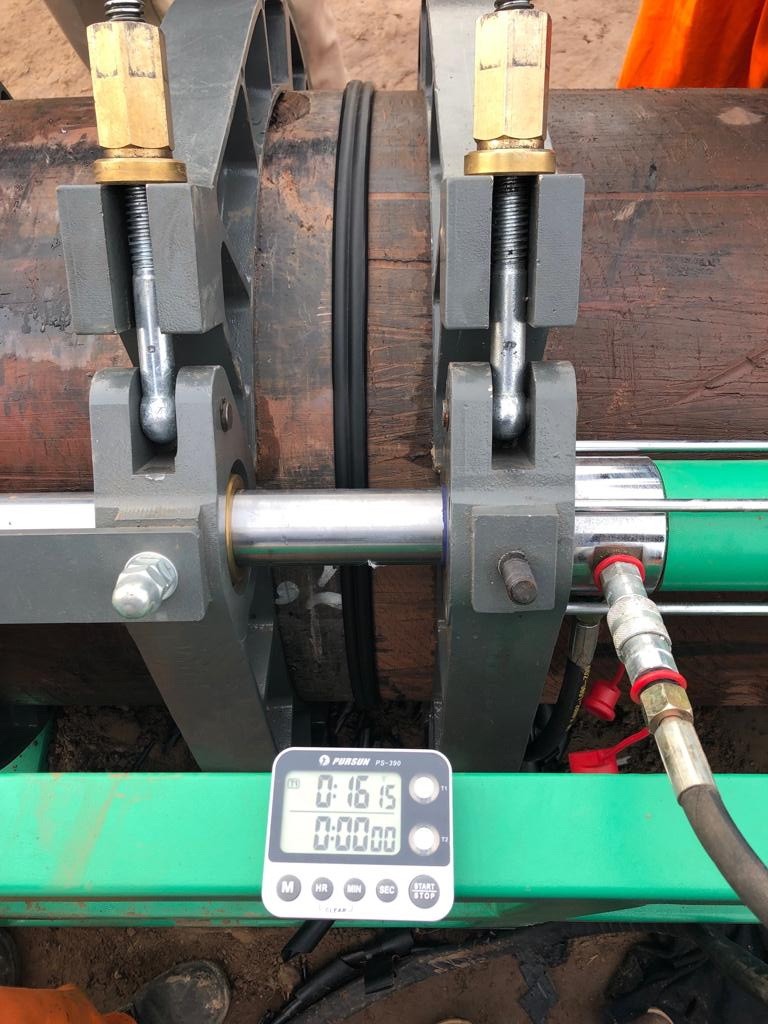
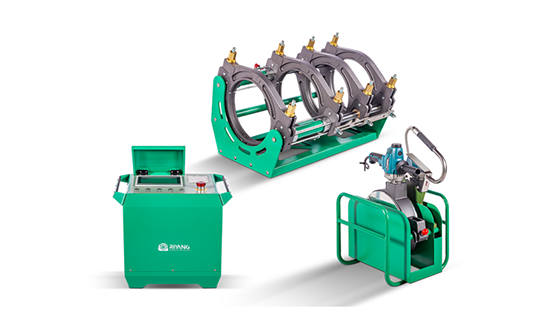
Butt fusion joins thermoplastic pipe ends by preparing them, heating them to the required condition and bringing them together under controlled force. On a pipeline, the difference between a strong joint and a rejected one usually comes down to the details: correct supports, clean fusion surfaces, a verified heater and a disciplined drag-pressure measurement. This step-by-step guide walks through the full HDPE pipe jointing process on a butt fusion machine, from setup and clamping to cooling and weld records. Always follow the approved project procedure and the machine manufacturer instructions. HDPE butt fusion follows a well-known sequence, but reliable joints depend on controlling alignment, heat, force and time at every stage. Skipping a single check — a contaminated fusion surface, an unverified heater or a stale drag-pressure reading — can produce a joint that looks acceptable but fails later. Work through the stages below in order and stop if the machine cannot hold the required temperature, pressure or alignment. A CNC system can guide sequence, timing and pressure control and create a digital weld record, improving repeatability on projects with many joints or strict traceability. It does not remove the need for trained operators, clean pipe ends, correct supports or a suitable fusion procedure. When choosing equipment, start from the pipe and project requirements rather than a single headline specification — the RIYANG selection guide explains how OD, SDR, pressure class and jobsite conditions should drive the decision. The typical sequence is clamp, face, align, verify heater, heat, change over, fuse under controlled force, cool, inspect and record. Each step has acceptance criteria defined by the project procedure. Drag pressure represents the resistance the hydraulic carriage must overcome. If it is ignored where the procedure requires compensation, the pipe interface may receive less force than intended and the joint can be under-fused. No. Use the procedure and parameters approved for the pipe, standard and project. Copying a pressure or time table from a previous job or another brand is a common cause of rejected joints. Reliable HDPE pipe jointing is the product of a disciplined sequence: confirm the pipe and procedure, support and clamp correctly, face to clean parallel ends, measure drag pressure, verify the heater, heat and change over within the allowed time, apply the correct fusion pressure, hold through cooling, then inspect and record. For a project-specific welding table or machine recommendation, send RIYANG your pipe OD, SDR, material and the required fusion standard, or review the technical support FAQ for setup and diagnostic guidance. Technical review by RIYANG Engineering Team.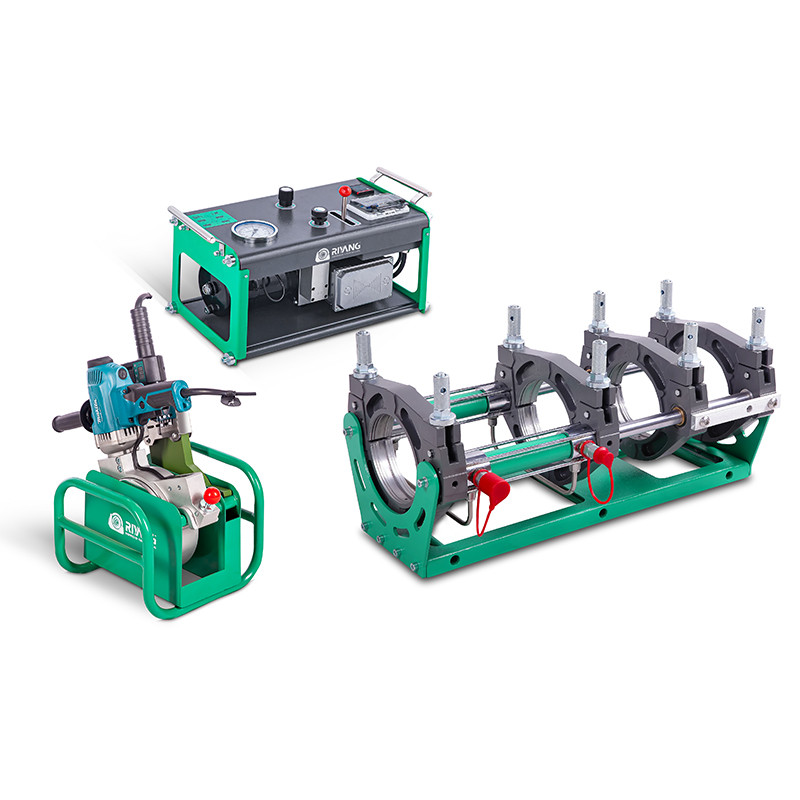
The Sequence Is Simple; the Control Is Not
Step-by-Step Butt Fusion Procedure
Preparation and Setup

Face, Clean and Measure Drag
Heat, Change Over and Fuse
Inspect and Record
Phase What to control What goes wrong Preparation OD, SDR, inserts, calibration Wrong inserts, unverified machine Facing Blade condition, parallel ends Uneven or contaminated ends Heating Temperature uniformity, soak time Cold spots, over or under soak Fusion Force, changeover time, alignment Low interface force, misalignment Cooling Hold time, no early handling Disturbed joint, weak interface 
Where Automation Helps
FAQ
What are the main steps in HDPE butt fusion?
Why is drag pressure measured?
Can I use one welding table for every project?
Summary