McElroy Fusion Machine Alternatives: What Buyers Should Compare Before Choosing
- Share
- publisher
- Riyang
- Issue Time
- Nov 8,2026
Summary
Comparing a McElroy fusion machine with alternatives? Use this neutral buyer framework for pipe range, pressure, mobility, automation, data logging, service and total cost.
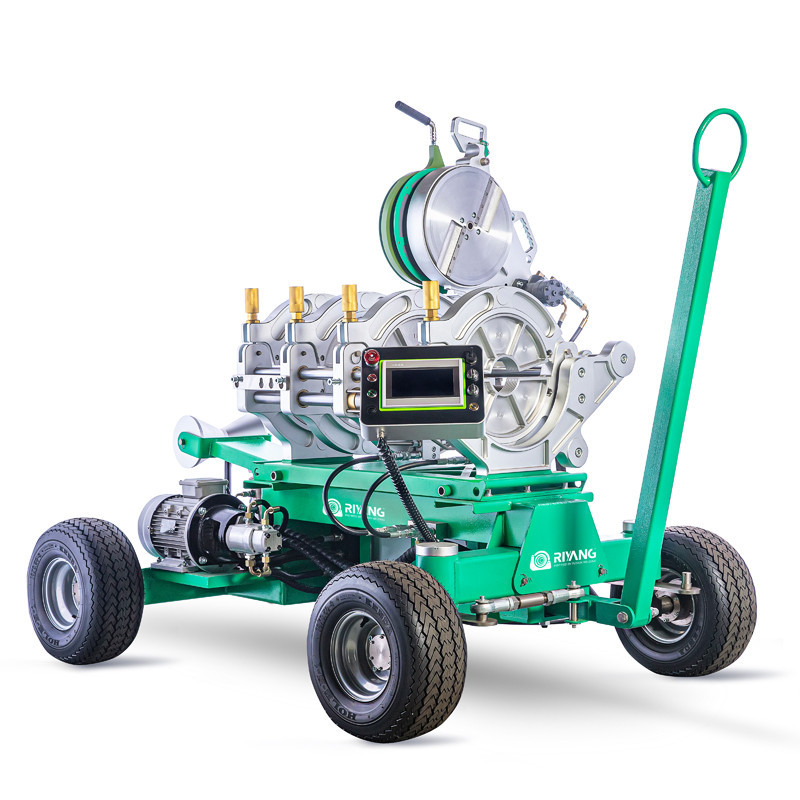
Start with the project, not the logo
McElroy is a well-known name in thermoplastic pipe fusion, and many buyers use its machines as a benchmark. An alternative should not be judged by whether it looks similar. The useful question is whether it meets the same project requirements for pipe range, fusion force, mobility, control, traceability and service.

Ten things to compare before you choose
The following checks create a practical framework for comparing any butt fusion system against a McElroy benchmark, without relying on promotional rankings.
1. Compare the exact model and pipe range
Do not compare an entire product family with one model. Record minimum and maximum OD, required inserts, IPS/DIPS or metric configuration, fitting capability and any special jaw arrangement. Verify current specifications on the manufacturer's official documentation before purchase.
2. Match the fusion procedure and pressure class
Confirm the standards used by the project and whether the machine is designed for the required low- or high-pressure procedure. The frame and hydraulic system must provide the necessary force across the target pipe range. RIYANG's ARMOR range is positioned for high-pressure field fusion, while conventional V and V-CNC20 models address other hydraulic and automatic requirements.
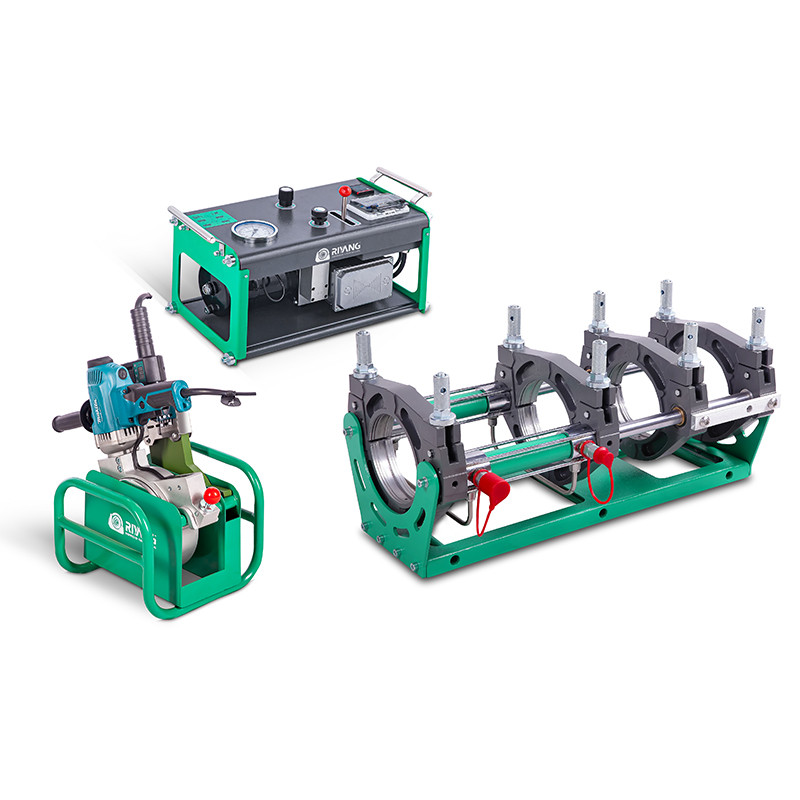
3. Evaluate field mobility
Compare frame weight, lifting provisions, wheeled or tracked options, trailer configuration, component handling and trench access. A machine that is ideal for a workshop can be inefficient on a long pipeline spread, while a highly mobile machine may add cost that a fixed fabrication yard does not need.
4. Compare heater and facer serviceability
Ask how the heater element, coating, temperature sensor, facer blades and drive components are serviced. Availability of common motors or replaceable elements can matter more than a small difference in initial price when the machine is operating far from the factory.
5. Look at control philosophy
Some projects prefer straightforward hydraulic control; others want guided or fully automatic cycles. Compare how the machine manages operator input, timing, pressure, alarms and heater removal. Define "automatic" carefully because suppliers can use the word for different levels of automation.
6. Compare weld data, not just the presence of a data logger
Check what data is captured, whether operators and projects can be identified, how records are exported and whether reports are readable by the owner. For audited projects, data usability is more important than simply having a USB port.

7. Check remote support and software lifecycle
Connected controls can allow remote troubleshooting and program upgrades. Ask how access is authorized, what happens without internet, whether updates are included and how long the control platform is supported.
8. Compare parts and service in the destination market
A strong global brand may have extensive local support in some countries. An alternative supplier should explain its distributor network, spare-parts strategy, response process and warranty. For RIYANG, local dealer capability can be an important advantage in markets where established support is available.
9. Calculate total ownership cost
Include purchase price, inserts, shipping, commissioning, training, calibration, routine wear parts, expected downtime, data requirements and resale or redeployment. The lowest quote is not necessarily the lowest cost per completed joint.
10. Require evidence for every important claim
Request official specifications, manuals, photos, test information, warranty terms and references relevant to your application. For a brand-to-brand comparison, keep all competitor specifications dated and sourced from official pages, because product configurations change over time.
A fair comparison framework
Build a spreadsheet with the rows below and fill it with verified data from each manufacturer. This gives procurement teams a defensible decision without promotional rankings.
| Comparison factor | What to record |
|---|---|
| Pipe range | Min and max OD, inserts, IPS/DIPS or metric configuration |
| Fusion standard | Approved procedures and low- or high-pressure class |
| Maximum force | Frame and hydraulic capacity across the target range |
| Control type | Manual, hydraulic, guided or automatic cycle |
| Heater and facer | Serviceability and availability of wear parts |
| Mobility | Frame weight, trailer options and trench access |
| Data logging | Captured fields and export format |
| Remote support | Diagnostics and software update policy |
| Warranty and parts | Local distributor network and response process |
| Total project cost | Purchase plus commissioning, wear parts and downtime |
Keep the comparison defensible
If you are benchmarking a specific McElroy model, send RIYANG the model, pipe range and project requirements for a specification-by-specification comparison, or browse the Butt Fusion Machine category to review the range first.

FAQ
Is a McElroy alternative automatically cheaper?
Not necessarily. Compare total ownership cost, local support and project fit rather than assuming a price relationship.
Can different brands use the same welding standard?
Many machines can support common standards, but the exact model, control program and project approval must be verified.
What should I verify before publishing a brand comparison?
Use current official manufacturer specifications and date the comparison. Avoid copying reseller data that may refer to older configurations.
Closing summary
Choosing an alternative to a McElroy fusion machine is a matter of matching project requirements, not matching a logo. Start from pipe range, fusion procedure, mobility, control, data and local service, then compare total ownership cost. For a more detailed selection method, read the RIYANG selection guide for butt fusion machines, and check the RIYANG support FAQ for service and documentation questions.