What Makes a Good HDPE Welder? 10 Quality Checks Before You Buy
- Share
- publisher
- Riyang
- Issue Time
- Oct 14,2026
Summary
Two HDPE welders can list the same pipe range and still perform very differently in the field. Buyers should look beyond maximum diameter and price and evaluate the systems that control alignment, heat and force. This guide walks through 10 engineering checks covering heater uniformity, pressure stability, frame rigidity, clamp quality, facer, hydraulics, control, data logging, serviceability and manufacturer support.
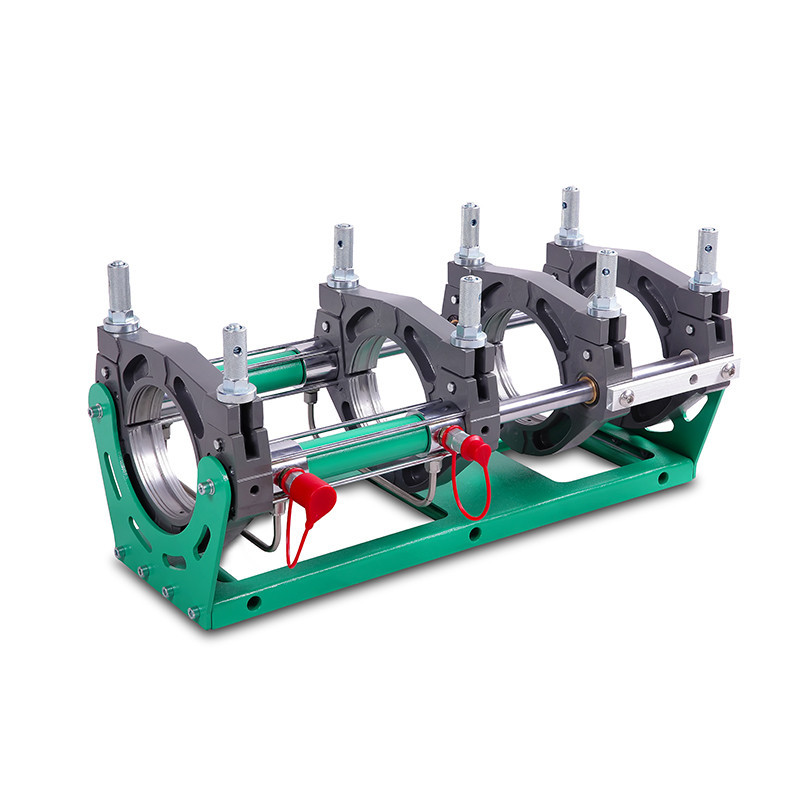
Two HDPE welders can list the same pipe range and still perform very differently in the field. Buyers should look beyond maximum diameter and price and evaluate the systems that control the three fundamentals of butt fusion: alignment, heat and force. The following ten checks create a practical framework for comparing machines from any manufacturer.
10 Engineering Checks Before You Buy an HDPE Welder
Use each check to ask suppliers for evidence rather than accepting marketing phrases. Where a check involves the approved fusion procedure, always confirm the requirement against the project specification and machine documentation.
1. Heater temperature uniformity
Ask how heater temperature is controlled and verified across the plate, not only at the sensor. Uniform surface temperature helps create consistent melt conditions around the pipe circumference. RIYANG states that V-CNC20 heater temperature variation is controlled within ±3°C; project acceptance should still follow the specified fusion procedure and calibration practice.
2. Pressure stability
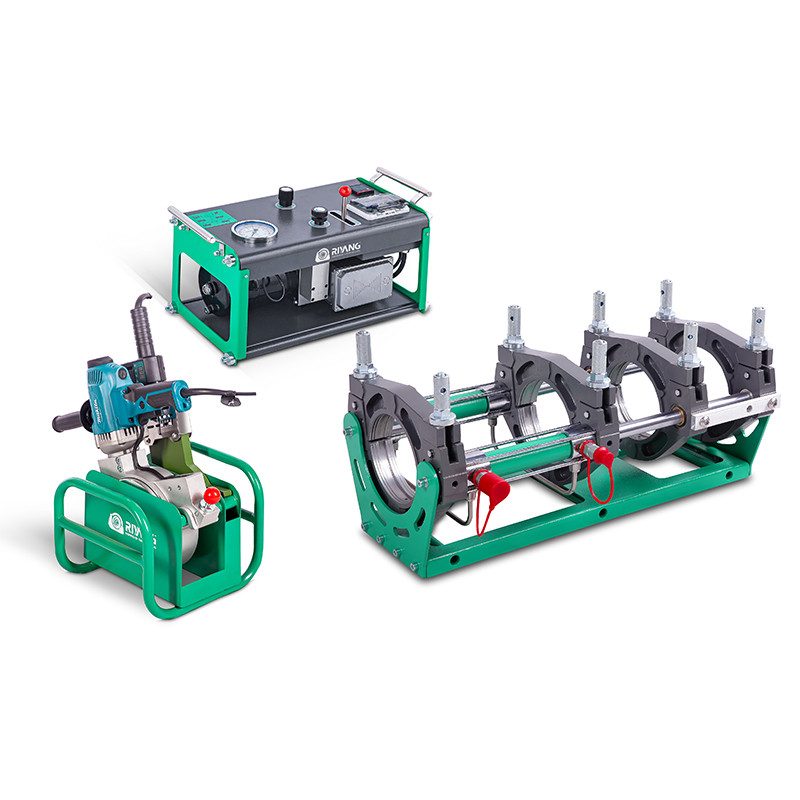
A hydraulic machine must build, hold and repeat pressure without excessive drift. Review pump capacity, valve quality, gauge or transducer accuracy and cylinder sealing. Stable pressure is particularly important during the cooling phase, when a slow leak can reduce joining force without attracting attention.
3. Frame rigidity and shaft strength
The frame keeps the pipe ends coaxial while the facer, heater and fusion force act on the carriage. Look for robust clamp geometry, strong shafts and resistance to deformation. Large or thick-wall pipe magnifies the consequences of frame flex.
4. Clamp and insert quality
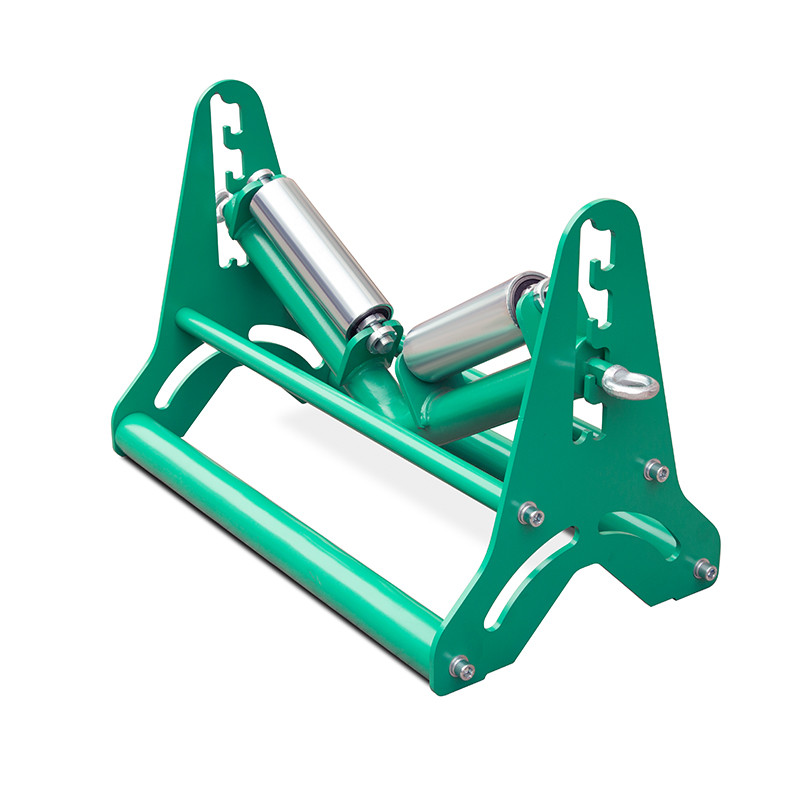
Clamps should hold pipe securely without creating unnecessary damage or allowing movement. Reduction inserts should locate consistently and be easy to change. Material selection and machining quality matter because worn or distorted clamps directly affect alignment.
5. Facer power and cutting stability
A good facer should produce parallel, clean pipe ends and continuous shavings without excessive vibration. Evaluate motor availability, blade access, transmission design and the rigidity of the facer plate. Serviceability is valuable on remote projects where a proprietary motor can cause long downtime.
6. Hydraulic components and couplers
Hoses, seals and quick couplings are wear items. Components from established industrial suppliers can simplify replacement and improve availability in local markets. Also check hose protection, connector placement and whether the circuit is easy to inspect for leakage.
7. Control system usability
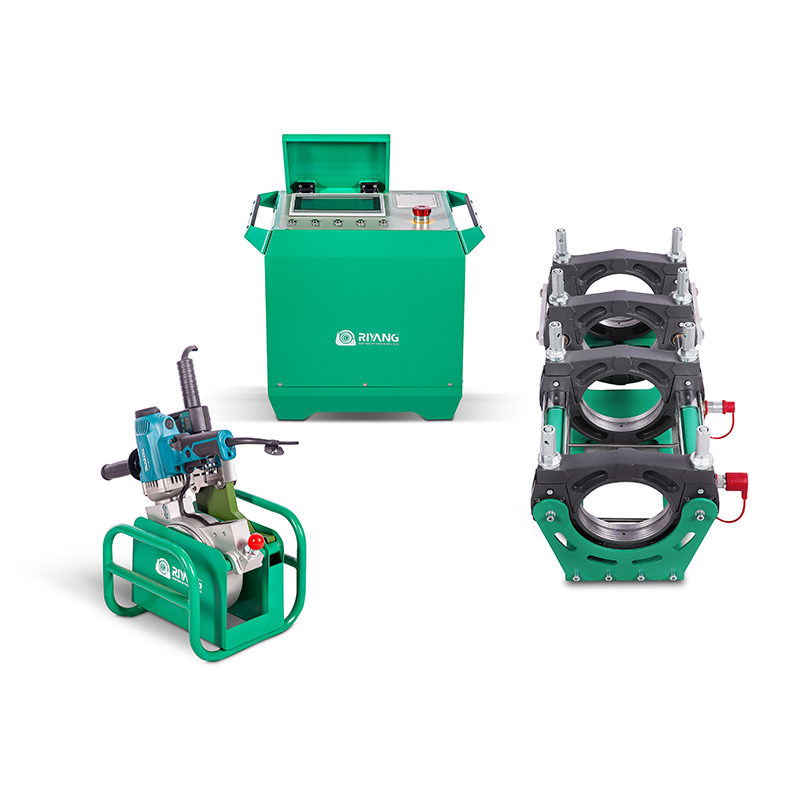
For automatic machines, the interface should help the operator rather than add complexity. Useful functions include operator accounts, project setup, guided welding steps, clear alarms and responsive touch controls. The system should make it difficult to skip critical steps while still allowing authorized service and configuration.
8. Weld data and traceability
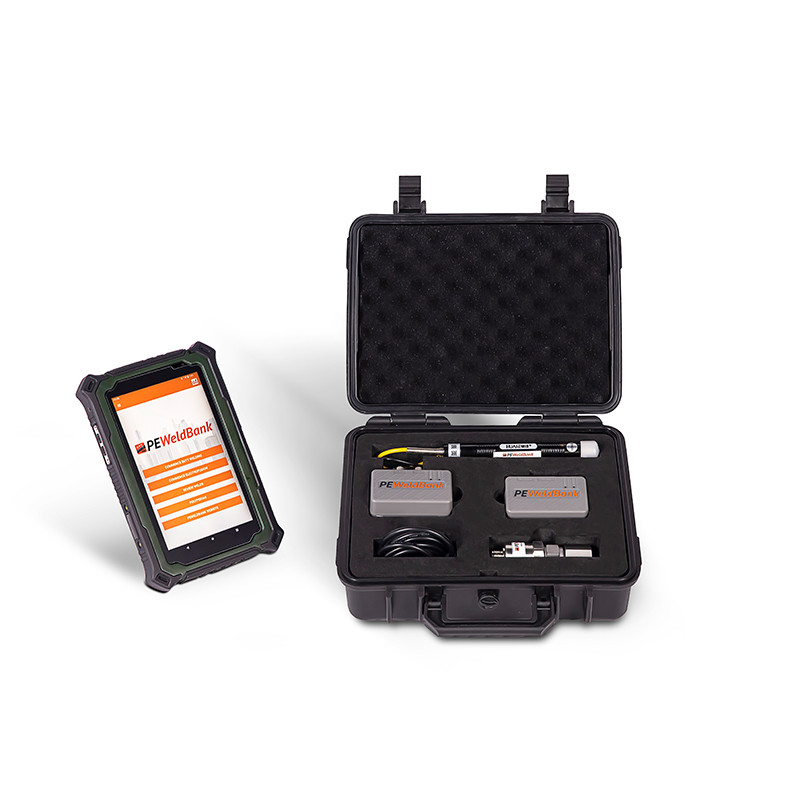
Ask exactly what is recorded, how records are stored and how they are exported. A useful record may include operator, project, pipe data, selected standard, time, pressure and temperature. Built-in data logging supports welding data reporting and project audits, especially in regulated or owner-controlled infrastructure work.
9. Maintenance and calibration access
Check how easily technicians can verify the pressure system, heater, sensor and control unit. Replaceable wear components and accessible service points reduce lifecycle cost. For automatic systems, remote troubleshooting and software upgrades can reduce the delay between a fault report and a solution.
10. Manufacturer support after delivery
A fusion machine is a long-life capital asset. Compare manuals, spare-parts support, warranty, technical response, training and local service options. A lower purchase price can become expensive if a small component stops a pipeline crew for several days.
Turn the Checklist into a Supplier Comparison
Ask every supplier to respond to the same ten categories and provide evidence where possible: specifications, calibration documents, component lists, screenshots, service procedures and warranty terms.
Supplier comparison worksheet
- Heater uniformity and temperature control method
- Pressure stability and hydraulic component quality
- Frame rigidity, clamp and insert machining
- Facer power, blade access and transmission
- Control usability and weld data export format
- Maintenance access, calibration and remote support
- Spare parts, warranty terms and local service coverage
This produces a more useful comparison than marketing claims such as “industrial grade” or “high quality.” Start from your project inputs and browse the RIYANG butt fusion machine range to see how each system maps to these checks.
FAQ
What is the most important feature of an HDPE welder?
No single feature is enough. Alignment, heater performance and controlled fusion force work together; the machine should also fit the required standard and jobsite.
Is data logging necessary?
Not for every project, but it is increasingly valuable where owners require weld traceability, operator accountability or audit records.
Should I choose the cheapest machine that covers my pipe range?
Purchase price is only one cost. Include downtime, spare parts, service, calibration, productivity and the consequences of rejected joints.
Use this checklist when comparing quotations, then contact RIYANG to request the configuration, technical documentation and support plan for your project. For a deeper selection method, review the RIYANG butt fusion machine selection guide.