Understanding Pipe Fusion Welding
A clear introduction to the essential concepts behind thermoplastic pipe fusion. Learn what butt fusion is, how the process works, and the key parameters that determine joint quality.
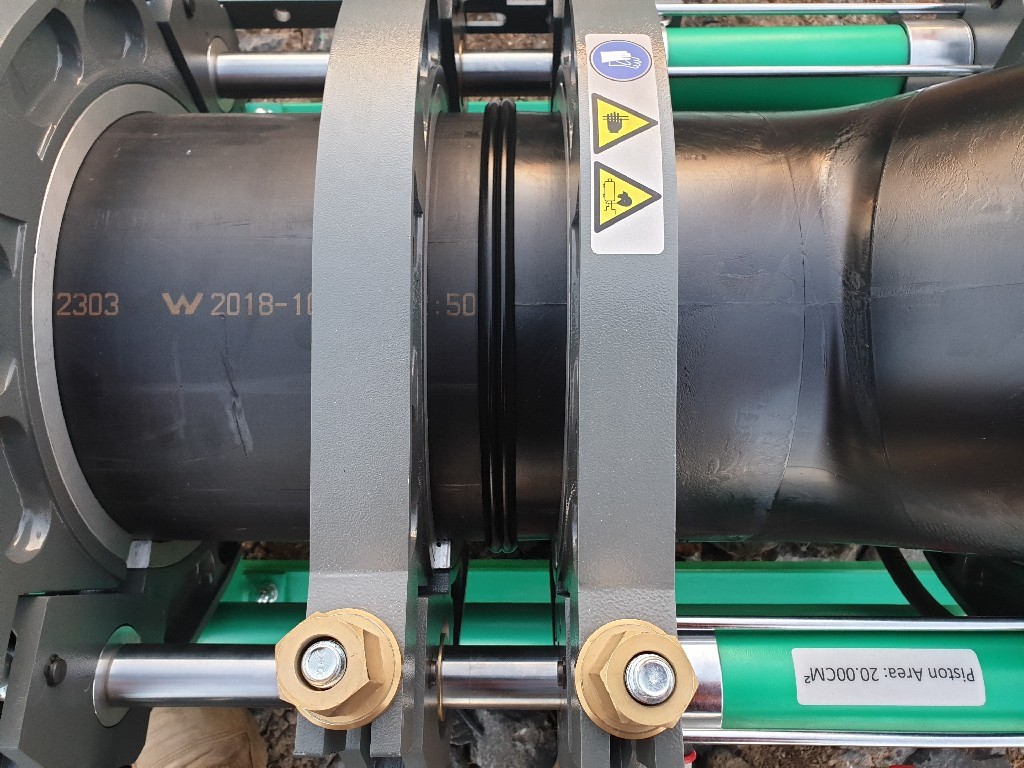
What Is Butt Fusion?
Butt fusion is a thermal welding process that joins two thermoplastic pipe ends by heating them to a controlled molten state and then pressing them together under precise pressure. Unlike metal welding, no filler material is used — the pipe material itself melts and re-solidifies to form a homogeneous joint. When performed correctly, the fusion joint is as strong as or stronger than the parent pipe.
The process works at the molecular level: heat causes the polymer chains at the pipe end surfaces to become mobile. Under controlled pressure, these chains interdiffuse across the joint interface and entangle. As the material cools under maintained pressure, the chains crystallize into a continuous structure, effectively turning two separate pipe sections into one continuous piece.
How Pipe Fusion Works: The Fusion Cycle
Every butt fusion joint follows a defined sequence of stages. Understanding this cycle is essential for operators, project managers, and anyone specifying fusion equipment. The standard cycle, as defined by ISO 21307, consists of five stages:
1. Facing
The pipe ends are trimmed parallel using a rotating facer, creating clean, flat surfaces free of oxidation, dirt, and saw marks. Proper facing is critical — uneven surfaces prevent full contact during heating.
2. Heating
The heater plate (maintained at 200–230°C for HDPE) is inserted between the pipe ends. The pipes are pressed against the plate under bead-up pressure to form an initial melt bead, then held with minimal pressure during heat soak to allow thermal penetration.
3. Plate Removal
Remove the heating plate quickly. For pipes of varying diameters, this step must be completed within the specified time to prevent the molten surface from cooling before connection. Speed and smoothness are crucial.
4. Fusion
The molten pipe ends are brought together under controlled upset pressure. This forces the melt beads outward and ensures molecular interdiffusion across the entire joint interface. The characteristic double bead forms at this stage.
5. Cooling
The joint is held under maintained pressure while the material cools and recrystallizes. This is the longest phase and must not be shortened — premature pressure release compromises joint integrity. Cooling time is determined by pipe wall thickness and material.
Heat, Pressure, and Time: The Three Pillars
Three interdependent parameters govern every fusion joint. Deviation in any one of them can produce a joint that passes visual inspection but fails under service conditions.
Heat
Heater plate surface temperature must be uniform within ±5°C. HDPE fuses at 200–230°C; PP at 200–215°C. Temperature that is too low produces cold joints with weak molecular bonding. Too high causes thermal degradation of the polymer.
Pressure
Fusion pressure is staged: drag pressure is measured first, then bead-up pressure (0.15 MPa interfacial according to low pressure standard like DVS 2207-1, ISO 21307 etc) creates initial melt contact, and upset pressure during cooling ensures molecular chain entanglement. Hydraulic machines maintain this automatically.
Refer to fusion caculator for your own pressure calculation.
Time
Heat soak time, plate removal speed, and cooling duration are all governed by pipe dimensions and material — not operator preference. ISO 21307 provides standardized time tables. Data loggers enforce timing compliance for critical applications.
Fusion Methods at a Glance
Beyond butt fusion, there are two other common thermoplastic joining methods. Each serves a distinct purpose and pipe size range.
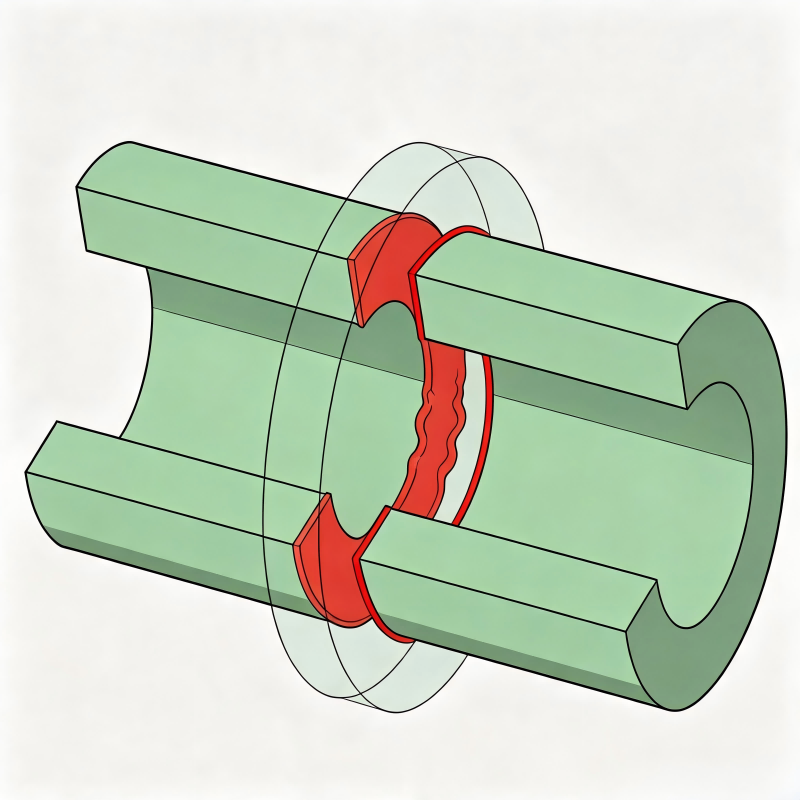
Butt Fusion
The primary method for joining straight pipe sections end-to-end. Covers diameters from 40 mm to over 3,000 mm. Used in water, gas, mining, and industrial pipelines. Hydraulic or manual machines available depending on diameter and daily output needs.
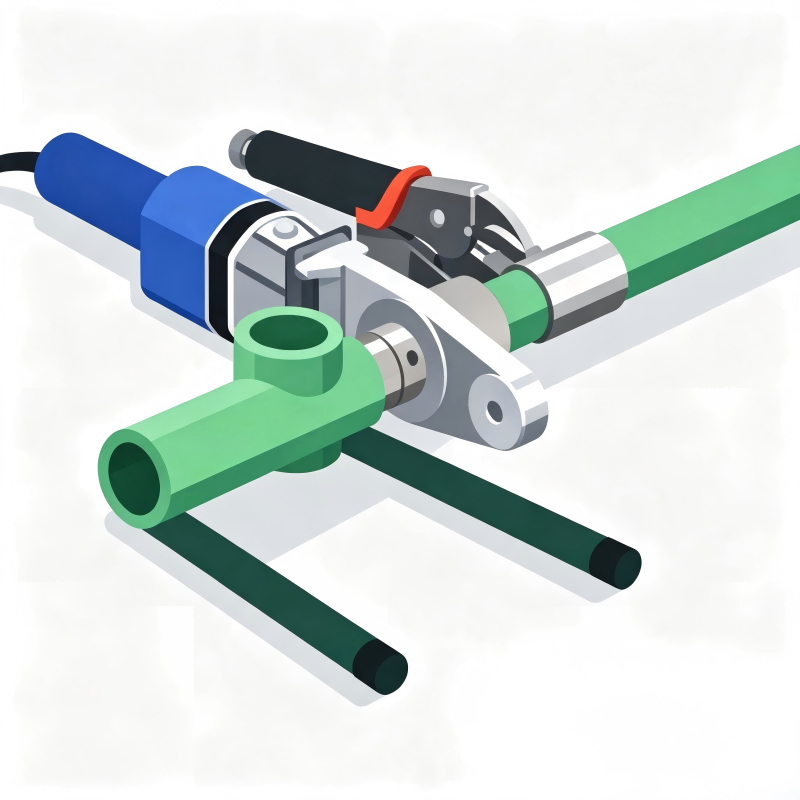
Socket Fusion
Used for smaller diameters (16–125 mm) where a pipe end is inserted into a heated fitting socket. Common in plumbing, irrigation laterals, and small-bore distribution. Simple manual tools — no hydraulic power required.
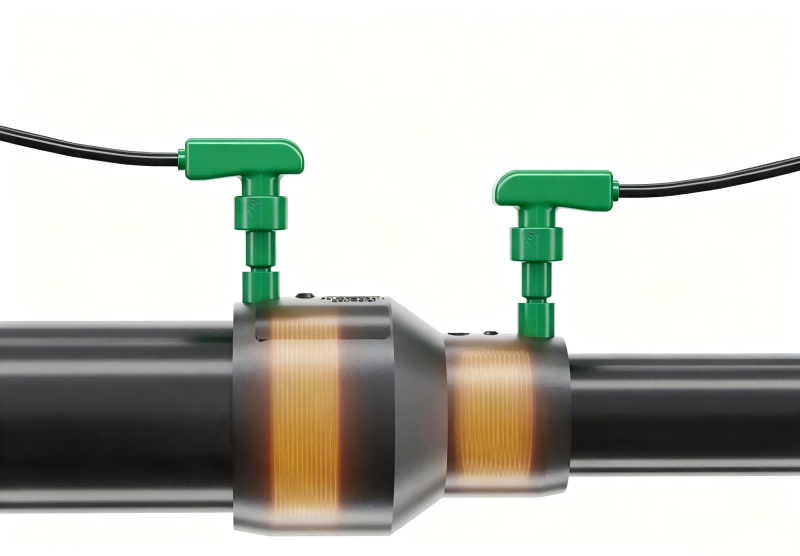
Electrofusion
Uses fittings with embedded heating wire coils. An electrofusion processor passes current through the coil, melting the fitting and pipe surfaces together. Ideal for repairs, tight excavations, and gas distribution. Diameter range: 20–1,600 mm.
Ready to Apply These Fundamentals?
Understanding fusion principles is the first step toward specifying the right equipment. Share your pipe specifications and project requirements — our engineering team will recommend the optimal fusion solution within one business day.